
Turn Your Living Room into a Gallery Without the Price Tag


Thrift and Estate Sale Strategy
Online Marketplaces with Filters that Matter
Local Artists and Student Shows
Framing Like a Pro for Less
Composing a Wall That Breathes
Grid vs. Salon Hang Decisions
Grids deliver order and modern polish, especially with photographs or similar frames. Salon hangs offer storytelling energy and flexibility, letting you integrate varied sizes and mediums. Choose based on architecture and personality of the room. If ceilings are low, keep the densest grouping mid-wall. When in doubt, start with a loose grid and gently loosen it where asymmetry brings necessary movement and charm.
Anchors, Spacers, and Rhythm
Begin with one or two anchors—larger or visually weighty pieces—near eye level. Add medium works to build cadence, then pepper in small accents to bridge gaps. Keep consistent spacing measured with a template stick. Consider color rhythm too: repeat a hue at intervals so the wall reads as a whole composition. Step back often, squint, and confirm the energy is balanced across the field.
Color, Texture, and Scale That Elevate
Color Stories from What You Own
Mixing Mediums for Depth
Scale Games with Oversized Statements
Lighting That Flatters Without Overheating the Budget
Layered Light on a Dime
Bulb Choices for True Color
Styling Surfaces to Echo the Walls
Coffee Table Vignettes with Purpose
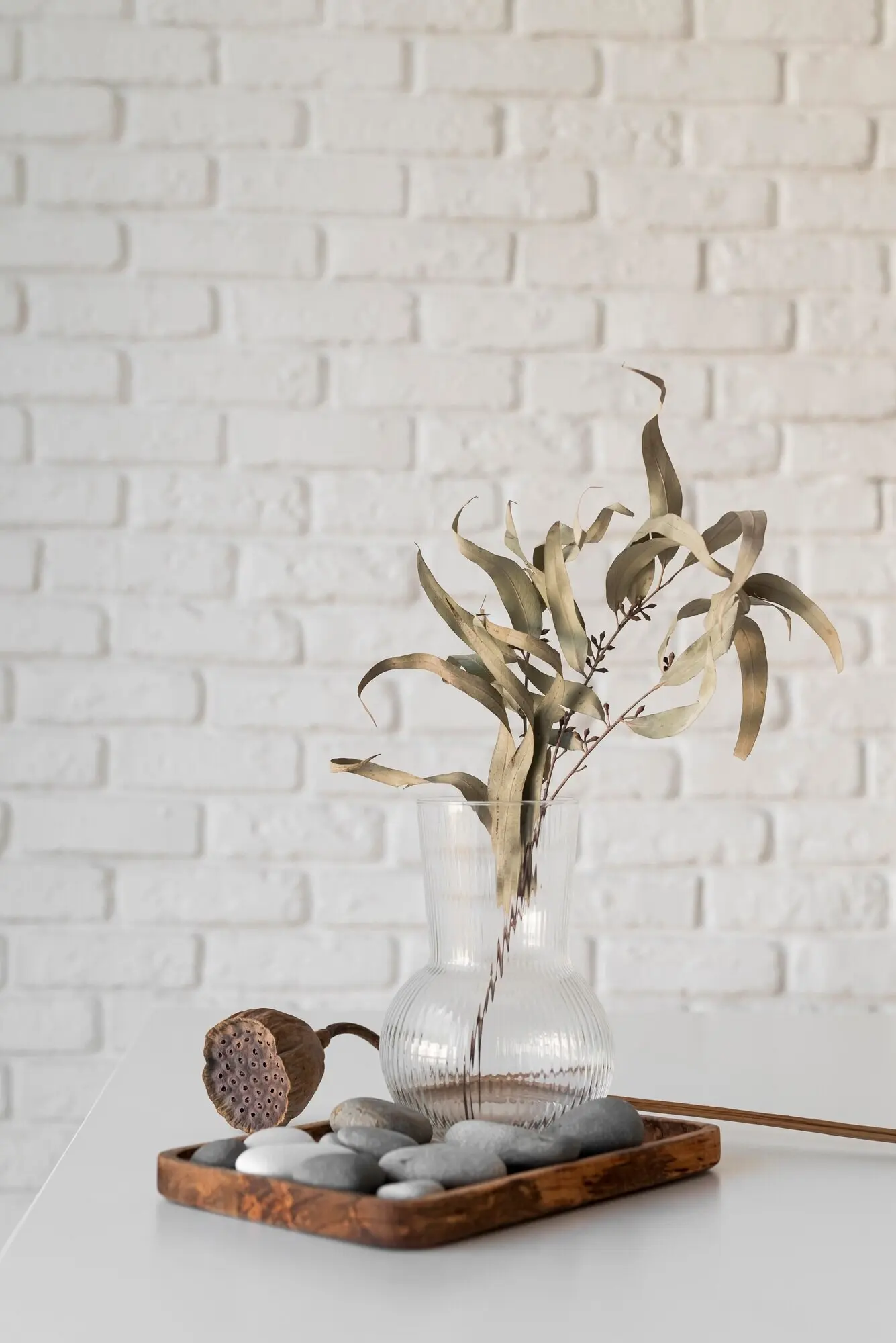
Build height with stacked books, introduce sculptural forms, and add a living element like a clipped branch. Keep a tray to corral small items and simplify tidying. Repeat one color from your wall arrangement for cohesion. Rotate in seasonal objects to refresh energy without buying new. Leave breathing space for mugs and elbows so the arrangement remains generous, practical, and genuinely livable daily.
Shelves with Negative Space
Resist filling every gap. Negative space is a design tool that allows special pieces to sing. Stagger heights, layer a small framed drawing before books, and balance horizontal stacks with vertical lines. Use book jackets as color fields. Add a subtle metallic accent for sparkle. Step back often, photographing shelves to catch clutter you overlook in person, then edit until the cadence feels calm.
Textiles as Soft Frames
Pillows, throws, and rugs can frame art indirectly by echoing shapes and hues. A patterned kilim might repeat the geometry of a print, while a velvet pillow deepens a painting’s midnight blue. Mix textures—linen, wool, silk—to keep surfaces engaging. Rotate covers seasonally to protect fabrics and refresh the scene, maintaining continuity with wall pieces so updates feel deliberate rather than random.
Care, Rotation, and Storytelling
All Rights Reserved.